When people think of new construction, buildings, and similar work, they often envision the end product, the wall, the roof, and the interior. But before any of those things happen, there are many processes that you need to follow. Behind every successful construction project are groundwork solutions, and knowing how they work can save you time, money, and headaches.
If you are a property developer, self-builder, or general contractor, understanding what goes into professional groundwork will help you plan more effectively and cost-effectively in the early stages. Let’s get a step-by-step process of modern groundwork solutions for new construction.
Modern Groundwork Solutions
Groundwork is all of the work that occurs on and below the surface before the above-ground portion of a building is erected. This includes site surveys, digging, drainage, foundations, and preparation for the trades that will work on the building.
Today’s groundwork solutions are more than just digging holes. They require careful planning, heavy equipment, adherence to building codes, and coordination with engineers and inspectors. This stage is critical for ensuring the structure lasts for decades rather than one with expensive structural issues.
Phase 1: Pre-Construction and Site Investigation
All reputable groundwork projects start with a site investigation. This involves geotechnical investigation of the subsoil, topographical surveying to establish levels and drainage slopes, and services surveying to determine the location of pipes, cables, and other utilities.
This is not a luxury step; it is necessary to draft a method statement and understand the problems beforehand to avoid issues later in the project. All experienced and professional groundwork contractors perform this important step before starting other work on the site.
Phase 2: Site Clearance and Excavation
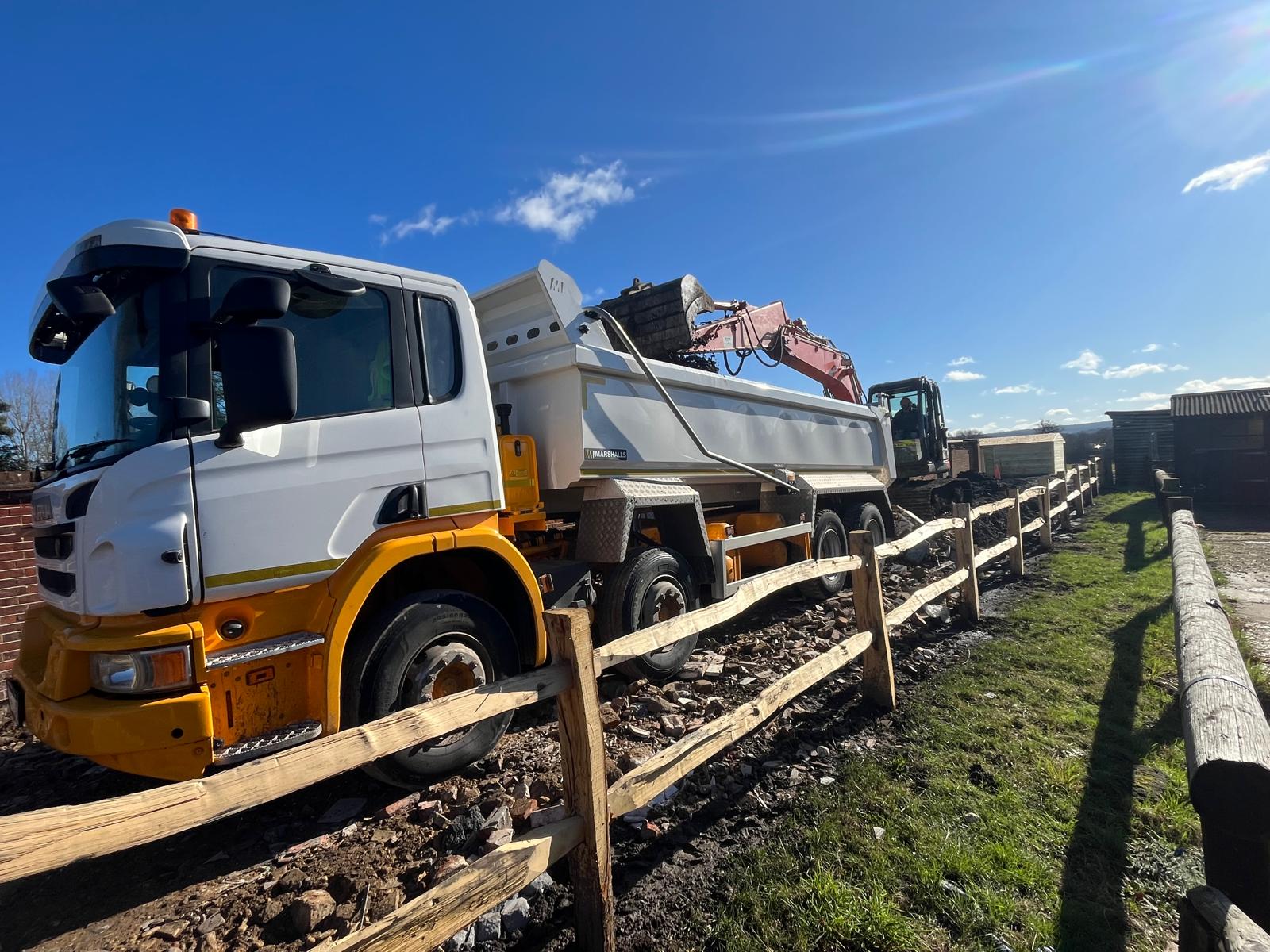
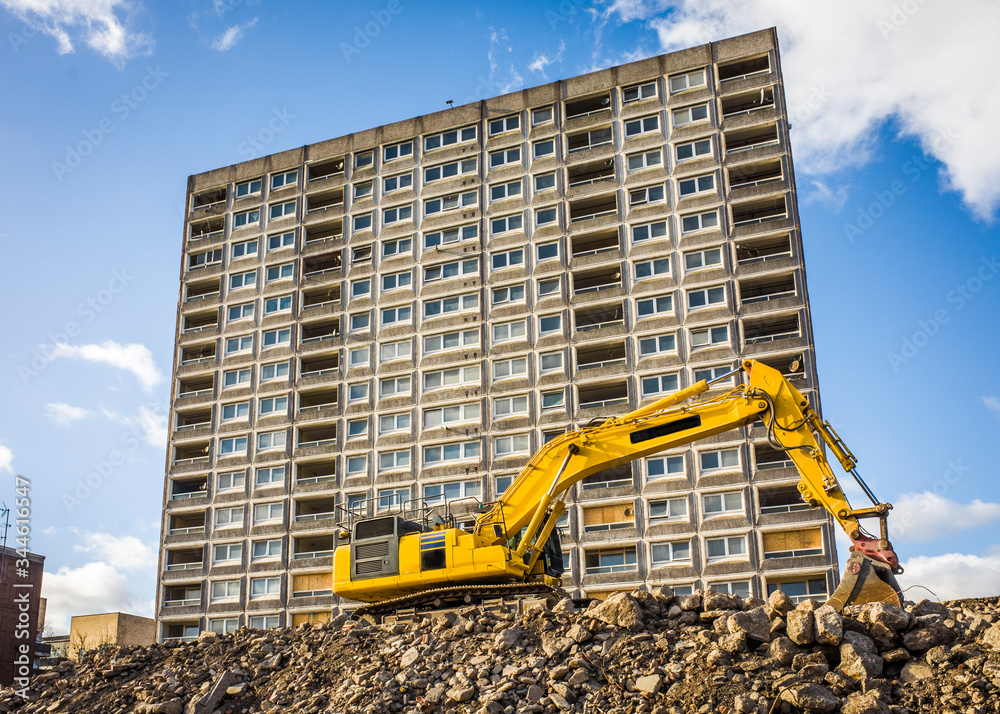
When the survey is done, site clearance and excavation are the next steps. This includes removing any existing buildings, removing topsoil and grading the site to the formation level. Great care is taken with waste disposal, sorting materials for recycling or disposal with a licensed contractor. Then the site is excavated to the structural drawings, with skilled operators working to ensure the correct depths, width and slopes. This step is not for inexperienced crews, as any mistakes here affect the rest of the work. This step includes the following:
- Demolition & Clearing
- Levelling the Playing Field
- Waste Management
Phase 3: Trenching and Substructure Utilities
Once the site is prepared, levelled, and the foundations are laid, trenches are dug for utilities. Drainage is a highly skilled part of this process. Today’s groundwork contractors lay foul surface water systems, and many projects also include Sustainable Drainage Systems (SuDS) in response to the latest environmental legislation. These control surface water runoff to prevent flooding and protect watercourses. If done correctly now, this avoids costly work further down the track.
Phase 4: Foundations: The Core of the Build
The foundation chosen is based on the soil report results. Trench fill, deep strip, raft, and piled foundations are just a few examples of different types of foundations. Reputable groundwork firms will recommend the right, cost-effective solution for your property rather than a “one size fits all” approach. After the foundation type is selected, steel reinforcing bars (rebar) are placed, and concrete is poured. This process is a critical stage that requires quality control and often requires signatures from a structural engineer and/or a city inspector before the concrete pour commences.
Prepping the Over-Site
When the foundation is set, the oversight starts. This involves laying the sub-base, damp-proof membranes (DPM) and floor insulation (where needed). Hardstanding areas or roads are also put in place to enable other traders, such as carpenters, bricklayers and others, to access the site. An experienced groundwork contractor will organise this in advance to avoid delays.
Important Groundwork Process for Strength and Stability
When building a house, the first step is laying the groundwork. Here’s what that means:
| The Stage | Main Activity | Aim of the Activity |
| Clearing and Preparing the Site | The first step is to clear the site, which means removing vegetation, waste, existing buildings, and topsoil. | This provides a clean, safe place to work. |
| Excavation and Earthworks | Then the site is dug to install foundations, basements or underground utilities. | This prepares the building’s footprint. |
| Foundation Construction | The concrete is poured, or footings, slabs, or piles are driven down. | This forms the foundation for the building’s weight. |
| Installing Drainage and Utilities | All plumbing, gas, electricity and sewage pipes are installed. | All the main services are laid before the construction of the actual building begins. |
Quality Over Cost is Critical
It can be tempting to search for the cheapest quote for groundwork. Low-cost groundwork is not always cost-effective. Subsidence, drainage issues, and non-compliance with building codes and regulations are among the costliest problems for a developer, and many of these issues can be traced back to groundwork problems.
search for groundwork specialists near me is a good idea, but the right specialists are not the ones closest to home; they are the most experienced, certified, and familiar with local soil and regional building codes. A free quote from a specialist includes an upfront estimate of what the job requires, not a price tag that increases after the project has started.
Conclusion
Today’s groundwork solutions are not just simple; they are specialised services that affect the safety, durability and legality of your project. From initial site survey through to over-site preparation, every step of the process demands specialist expertise, proven equipment and responsible project management. The local experts understand the regional building codes, local soil conditions, and which tools and methods work best for that particular project.
If you are about to embark on a new build and want a team with years of expertise, clear, upfront pricing, and a reputation for quality, you can count on Anvil Developments. For a free quote, contact the experts to find out why Anvil Developments is the preferred choice for so many developers, contractors, and self-builders in the UK for getting the groundwork right, from day one.